Hello Boss! Welcome to Yuantai Steel Pipe Factory!

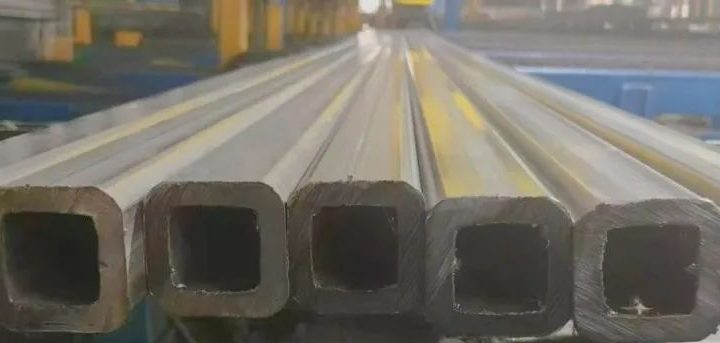
Recently, Tianjin Yuantai Delun Steel Pipe Manufacturing Group Co., Ltd. has realized a major technological breakthrough in the field of straight out square pipes in the unit! The wall thickness limit of square pipe specification 50mm50mm is raised to 7.75mm, far exceeding the previous industry norm of 5.75mm, which refreshes the new height of the Group’s production technology.

(50mm50mm7.75mm)
This breakthrough stems from the Group’s R&D and production teams’ dedication to craftsmanship and continuous optimization of equipments, which have successfully overcome key technical problems such as thick-walled steel pipe molding, welding stability, etc., and provided better quality solutions for high-end application scenarios.


(50mm50mm7.75mm)
The breakthrough square tube product 50mm50mm*7.75mm is specially designed for curtain wall aluminum profile insertion scenarios, and with its ultra-thick wall thickness, high-precision dimensions, and excellent mechanical properties, it perfectly matches the stringent requirements of the curtain wall structure in terms of load-bearing capacity, wind pressure resistance, and corrosion resistance. According to customer feedback, Yuantai Delun’s products not only enhance the overall safety of the curtain wall, but also shorten the delivery cycle and reduce the overall cost through efficient production.
In the future, Yuantai Derun will continue to take technological innovation as the core, plowing into niche areas, providing higher quality and more competitive steel pipe products for the construction, industrial and other fields, and helping our partners to win the first opportunity in the market!
Tianjin Yuantai Derun Group is looking forward to sincere cooperation with you, mutual benefit, welcome to visit our factory.
Tangshan Yuantai Derun Steel Pipe Co., Ltd., a subsidiary of Yuantai Derun Group, has successfully launched its Zinc-Aluminum-Magnesium (ZAM) series products into mass production. Since the announcement, these innovative offerings have garnered enthusiastic attention from customers across the industry.
The current ZAM-coated steel strip production capabilities span widths from 550mm to 1010mm. Our expanded product portfolio now includes ZAM square tubes and solar mounting brackets, complemented by newly added hot-dip galvanized round pipes (ranging from 4″ to 8″ in diameter) and rectangular/square tubes (from 30x30mm to 150x150mm specifications).
Join us as we take a virtual tour through the advanced facilities of Tangshan Yuantai Derun Steel Pipe Co., Ltd., where cutting-edge technology meets sustainable manufacturing solutions.
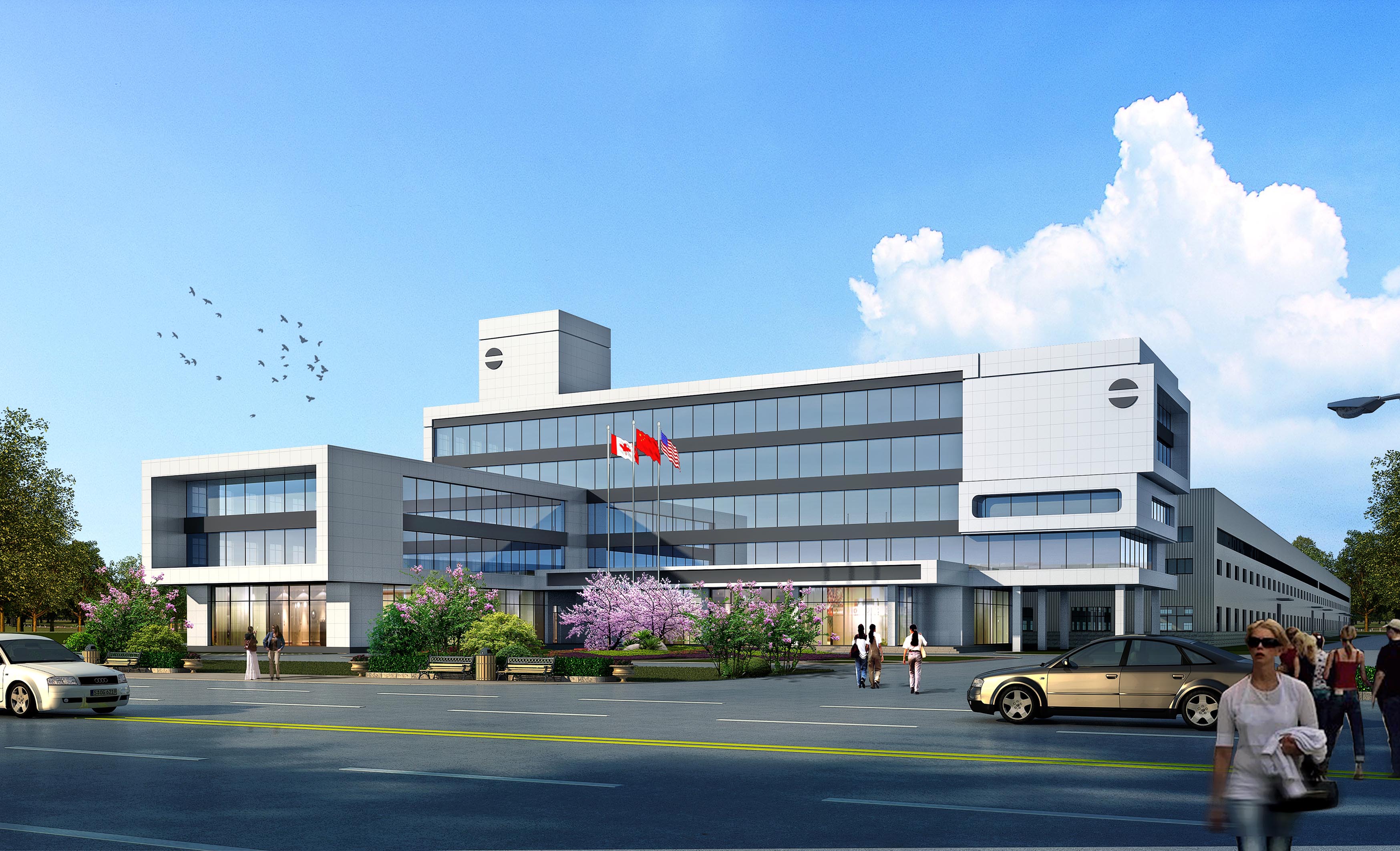
Office Building Rendering

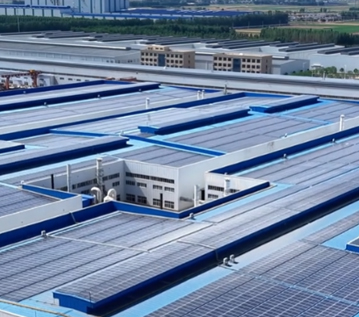
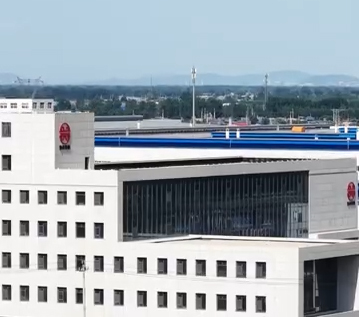
Aerial view of the factory

Steel coil pickling equipment


The pickling line successfully rolled out its inaugural finished coil at 9:20 AM on April 25, 2023.

Cold rolling equipment


Steel coil cutting equipment

Yuantai Derun: Innovating Solar Solutions with ZAM Square & Rectangular Tubes
With over two decades of specialization in square and rectangular tubing, our new Zinc-Aluminum-Magnesium (ZAM) series delivers groundbreaking advancements. Compared to traditional hot-dip galvanized counterparts, ZAM square/rectangular tubes demonstrate superior corrosion resistance and self-healing properties, significantly extending support structure service life – particularly advantageous for solar mounting systems.
Key Benefits for Photovoltaic Applications:
2. Environmental Sustainability
By eliminating the hot-dip galvanizing process, ZAM products significantly reduce industrial pollution associated with traditional zinc coating methods, aligning with national green manufacturing initiatives and contributing to eco-friendly industrial practices.
3. Self-Healing Protection
ZAM materials exhibit unique corrosion resistance through autonomous repair mechanisms. When scratched or cut, the coating forms a dense protective film composed of zinc hydroxide, alkaline zinc chloride, and magnesium hydroxide. This barrier effectively isolates exposed metal substrates from corrosive elements, preventing further oxidation and ensuring long-term structural integrity.
4. Standardization & Industry Recognition
With stable material properties and precise dimensional control, ZAM tubing enables standardized photovoltaic bracket production at scale. Recognized by leading energy providers, ZAM-coated products deliver:
•Superior surface quality for seamless integration
•Unmatched corrosion resistance exceeding industry standards
•Cost-effective sustainability through reduced lifecycle maintenance
•Proven ROI across utility-scale solar installations
The following is the zinc-aluminum-magnesium pipe making equipment show


Let’s visit the hot-dip galvanizing production plant in the new Tangshan plant.


Tianjin Yuantai Derun Group operates 51 high-frequency welded black pipe production lines capable of manufacturing over 600 standard specifications. Additionally, we utilize 4 specialized shape-reforming units to produce rare market-available profiles, including ultra-large diameter and extra-thick-walled square/rectangular tubes, right-angle tubes, octagonal tubes, and trapezoidal tubes. We also offer third-party tempering and annealing services. Supported by our expert technical team and advanced equipment, our next strategic objective is to pioneer the development of direct-formed specialty tubing solutions.
I. Production Specifications & Compliance Standards
Shaped Redrawing Tubes:
Square Tubes: 80×80mm to 1200×1200mm
Rectangular Tubes: 50×100mm to 1200×1500mm
Wall Thickness: 2.75mm–50mm
Standard: GB/T 3091-2015 (Structural Steel Tubes for Fluid Transportation)
Customizable Materials: Q235, Q355, Q390, Q420, Q460, high-strength steel, weather-resistant steel, and other alloys.
Innovative Hot-Rolled Right-Angle Tube Technology:
Our advanced manufacturing process combines:
In-line hot rolling of 4 corners
Full-profile heating
This dual approach achieves energy-efficient operations and high-throughput production.

Depicted: 300mm×300mm×14mm Right-Angle Tube

Depicted: 150mm×400mm×25mm Right-Angle Tube

Depicted: 120mm×400mm×20mm Right-Angle Tube

Depicted: 80mm×240mm×20mm Right-Angle Tube
II. Production Process Flow
Raw Material Inspection – Round pipe verification
Loading – Automated feeding system
Hydraulic Pushing – Precision alignment
Roll Forming Extrusion – Circular-to-square transformation
Geometric Inspection – Dimensional accuracy, flatness, perpendicularity, radius (R-angle)
Unloading & Straightness Check – Torsion/twist detection
Port-End Calibration – Eliminating deformation zones from forming process
Saw Cutting & Edge Trimming – Precision length control
Final Marking & Quality Certification – Laser spray labeling
Warehousing – Systematic inventory management
III. Advanced Processing Capabilities
Tianjin Yuantai Derun Group’s newly commissioned intelligent tempering furnace addresses critical stress relief requirements through:
Artificial Aging Techniques
1. Thermal Stress Relief
Heating steel tubes to 550-650°C for stress relief annealing offers:
Time efficiency: 80-90% faster than natural aging
Comprehensive stress elimination: Up to 98% residual stress reduction
Microstructural optimization: Enhanced grain boundary alignment
2. Vibratory Stress Relief (VSR)
Our advanced vibration aging system operates through:
① Resonance activation: Matching workpiece’s natural frequency (20-200Hz range)
② Energy superposition: Combining alternating stresses (5-50MPa) with residual stresses
③ Energy dissipation: Molecular friction absorption at critical thresholds (0.1-0.3% strain)
④ Stress homogenization: Achieving 70-85% stress reduction through viscoelastic-plastic deformation
Post-Treatment Performance Enhancement
S&R tubes processed with these methods demonstrate:
✓ 15-25% improvement in yield strength (Q355: ≥355MPa → 410MPa)
✓ 10-18% increase in tensile strength (510-680MPa range)
✓ 5-8% enhanced elongation at break (δ₅ ≥24%)
✓ 30% higher impact compressive resistance (KU₂ ≥60J at -20°C)
This synergistic engineering approach creates performance characteristics exceeding conventional arithmetic summation – a true industrial “1+1>2” effect..

Depicted: 500×500×40mm Redrawn Tube Post Stress Relief Annealing


Depicted: Twist/Torsion Testing of Redrawn Tube Post Stress Relief Annealing
IV. Engineering Milestones
1.OCT Shenzhen 128m Ferris Wheel:
The primary support columns of this landmark structure incorporate Yuantai Derun’s proprietary beveled octagonal tubes, engineered to withstand extreme torsional loads while maintaining architectural precision.


2. Google Singapore Headquarters
The structural framework utilizes Yuantai Derun’s 500×500×36mm reshaped tubes manufactured from S355J2H steel (EN 10210-compliant), with a total deployment of 4,000 metric tons.


3. Sichuan Tianfu International Airport
The terminal’s structural framework incorporates Yuantai Derun’s 90×250×20mm reshaped tubes, precision-engineered to meet aviation-grade load-bearing requirements.


Key Contributions:
Custom S&R Tubes:
Specifications:
200×700×8mm, 200×700×10mm, 200×700×12mm, 200×700×16mm
200×800×8mm, 200×800×10mm, 200×800×12mm, 200×800×16mm
Applications:
• Primary column systems
• Cross-bracing frameworks


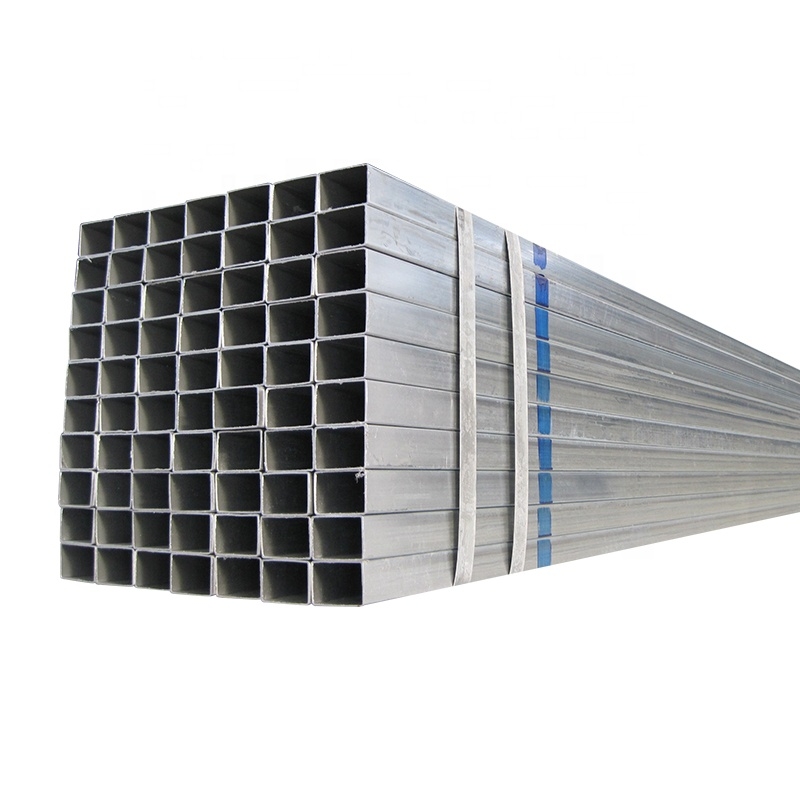
Tianjin Yuantaiderun Group operates a total of 10 hot-dip galvanizing production
lines. Among these, Yuantai Gongmao has 6 blow galvanizing lines, while Yuantai
Jianfeng has 4 lines (2 rack plating lines and 2 blow plating lines).
The hot-dip galvanizing processes at Tianjin Yuantaiderun Group are divided into two
types are blow plating and rack plating.
Blow Plating Details:
Standard zinc coating: Average of 200g (approximately 30μm).Note: 1μm ≈ 7g.
Maximum zinc coating: Up to 320g (approximately 45μm).
Minimum tube dimensions:Rectangular tubes: 20mm × 30mm. Square tubes: 20mm × 20mm.
Minimum wall thickness: 1.5mm.Risks for thinner walls (<1.5mm): Higher defect
rates due to weld seam cracking under strong airflow.
Limitation for thicker walls (>2.0mm): Inner diameter becomes too small for blow rods to enter, preventing internal coating.
Maximum tube dimensions:Rectangular tubes: 150mm × 200mm.Square tubes:
200mm × 200mm.
Maximum wall thickness: 5.75mm.Beyond 5.75mm: Tubes become too heavy for
magnetic rollers to lift, leading to inefficiency. Rack platzing is recommended.
Length range: 4m to 8m.(Because acid tanks and zinc pots are 1.5m deep × 1.5m wide × 9m long. Tubes exceeding 8m should use rack plating.)
Cost adjustments for low-tonnage orders: Small-volume orders incur additional fees due to setup requirements (e.g., configuring machines, dedicated blow heads, air rings, and rods).
Compatibility: Blow plating also applies to round pipes, ranging from 3/4 inches to 6 inches.
Rack Plating Details:
Standard zinc coating: Average of 60μm (approximately 400g).Note: 1μm ≈ 7g.
Maximum zinc coating: Up to 85μm (approximately 600g).
Maximum tube dimensions:Cross-section: 900mm × 900mm. Length: Up to 12m.

Applicability:
Required for tubes with side lengths exceeding 200mm or wall thickness over 5.75mm (excluding 5.75mm).
Compatible with diverse materials such as angle steel, channel steel, flat steel, steel plates, solar brackets, straight-seam round tubes, seamless square&rectangular tubes, seamless round tubes, and various profiles.
Limitations:Welded components and small parts are excluded.Beacause acid tanks
and zinc pots are large (13m long × 1.5m deep × 1.5m wide). Processing small items
is inefficient, resulting in low output and profitability risks for the production line.
Next, we will provide a detailed introduction to the process flow.
1. Welded Tube Inspection
Purpose: Check raw tubes for bending/deformation and burrs at pipe ends.
Bending/deformation: Affects smooth operation in production lines, increasing defect risks.
Burrs: Prevent tubes from entering the equipment.
2. Acid Pickling
Procedure:Qualified tubes are immersed in acid tanks via overhead crane for 3–5
minutes.The crane lifts and lowers the tubes 3–5 times to ensure even pickling.
Total pickling time: 5–10 minutes. Inspect tubes to confirm complete rust removal.
Post-pickling handling:Lift tubes at a 15-de gree angle to drain residual acid.Allow
residual liquid to drain for 5–10 minutes before proceeding.

Common defects:
Under-pickling:
Causes: Insufficient removal of iron oxide scale, rust, or contaminants.
Result: Residual rust or debris on the tube surface.
Over-pickling:
Causes: Excessive pickling time, corroding the base metal.
Result: Rough/pitted surfaces, blackened appearance, or coarse black textures.
3. Rinsing
Purpose: Remove residual acid and iron salts from the tube surface. Residual
contaminants from the acid pickling tank can adversely affect galvanizing quality.
4. Flux Treatment
Remove residual moisture, iron salts, oxides, and other impurities from the
tube surface after rinsing.Prevent oxidation of the metal substrate (iron salts and
oxides can re-oxidize within seconds upon exposure to air and moisture).
Create a protective barrier to isolate the metal substrate from air, inhibiting
oxidation.Poor flux treatment can directly lead to uncoated areas.
Ensure the iron substrate reacts properly with molten zinc during immersion, forming
a continuous iron-zinc (Fe-Zn) alloy layer.This alloy layer is essential for adhesion
and corrosion resistance of the zinc coating.
5. Alignment
Inspect welded tubes and solvent-coated tubes to ensure smooth entry into the drying oven and subsequent galvanizing process.
6. Drying
Remove residual acid, water, and solvent from the tube surface.Inadequate drying can
cause explosions or violent splashing when tubes enter the zinc pot.
7. Galvanizing
Extend the service life of steel tubes by providing anti-corrosion and anti-rust
properties.
Mechanism:Galvanized tubes remain stable in dry air but form a protective oxide film
in humid environments (e.g., greenhouses), preventing oxidation.For exampl
galvanized tubes used in humid greenhouse conditions outlast untreated black steel
tubes.
8. External Blowing
Remove excess zinc nodules, zinc ash, flux residues, and other surface contaminants.
Enhance the gloss and uniformity of the zinc coating on both inner and outer surfaces,
improving durability.Optimize zinc layer thickness for material efficiency and cost
reduction.
9. Internal Blowing
Replace internal blowing nozzles according to tube specifications.Align the internal
blowing unit with the centerline of the galvanized tube.Regularly clean zinc nodules
adhering to the internal blowing equipment.If use hooks to reposition tubes if they fail
to align properly during the process.
10. Water Cooling
Submerge galvanized tubes in a water pool to cool them.Without cooling, the high
temperature of the tubes makes it impossible to handle or inspect the galvanizing
quality.
11. Inspection
Tubes are unloaded from the water pool via chains.Check for bending and uncoated
areas.If there are minor bare spots,repair using specialized zinc-rich paint.If
there are large uncoated areas,should set aside for re-galvanizing.When all the steps
passing inspection going to the next step.
12. Passivation Spraying
Prevent alkali efflorescence, moss-like growth, and corrosion.Ensure uniform
passivation layer via airflow to spread the solution evenly.Poor handling can lead to
zinc layer corrosion or white rust.
13. Marking
Use automated marking machines to print labels directly on tubes after passivation.
14. Bundling
Tubes are transported via rollers to automatic bundling machines.It is high efficiency
and reduced labor costs.
15. Affixing Certificates
Attach quality inspection certificates to approved products.
16. Warehousing
Rack Plating vs. Blow Plating
The processes for rack plating and blow plating are fundamentally similar. In
rack plating, after immersion in flux, steel tubes are secured with iron wire or
custom fixtures for hoisting. They are then galvanized, water-cooled, and passivated
directly using an overhead crane, eliminating the need for the tubes to pass through
production line machinery.

Founded in 2002 and headquartered in Tianjin’s Daqiuzhuang Industrial Hub, Yuantai Derun Group operates twin production bases in Tianjin and Tangshan. As a National Manufacturing Champion Enterprise, High-Tech Certified Company, and Top 500 Chinese Private Enterprise, we have dedicated over two decades to pioneering R&D, production, and distribution of structural steel tubing solutions.

Core Industry Applications
Our square & rectangular tubes are integral to emerging sectors including:
Prefabricated Construction
Smart Agriculture Infrastructure
Renewable Energy & Solar PV Systems
Marine Engineering Equipment
Trusted by industry leaders like China Railway Construction, State Power Investment Corp, and China Minmetals, our products empower mission-critical projects globally.
Technological Leadership
World-First Innovations:
• 1200mm ultra-large S&R tubes with single-pass forming
• Right-angle S&R tube manufacturing systems
• High-corrosion-resistant tube technology
Proprietary Advancements:
• Auto-die adjustment systems
• Intelligent seam welding technology
• In-line corner heating processes
Certified Excellence

CNAS-Accredited Labs: Ensuring global compliance through rigorous material testing (yield strength, elongation, weld integrity)
Advanced Material Engineering: Q490B, Q550D, SG700BL high-strength steels with weather-resistant properties
Global Certifications: ISO 9001/14001, CE, BV, JIS, ABS, and 12+ international standards
Integrated Manufacturing Ecosystem
Value-Added Processing:
• Hot-dip galvanizing & annealing
• On-site thermal bending & mega-diameter extrusion
• Custom cutting, drilling, and welding services
Flexible Ordering:
• Single-unit orders for non-standard specifications
• Multi-modal logistics (road/rail/sea) with consolidated billing
Standard-Setting Authority
As a key drafter of China’s S&R tube industry standards, including:
Mechanical Structural S&R Tubes
Architectural Structural S&R Tubes
Hot-Dip Galvanized Structural S&R Tubes
New Era of Growth
The launch of Tangshan subsidiary’s Zinc-Aluminum-Magnesium (ZAM) series marks our strategic pivot toward renewable energy markets. With a 10-million-metric-ton annual design capacity and unwavering commitment to innovation, Yuantai Derun Group continues to drive sustainable, high-quality growth across global infrastructure development.
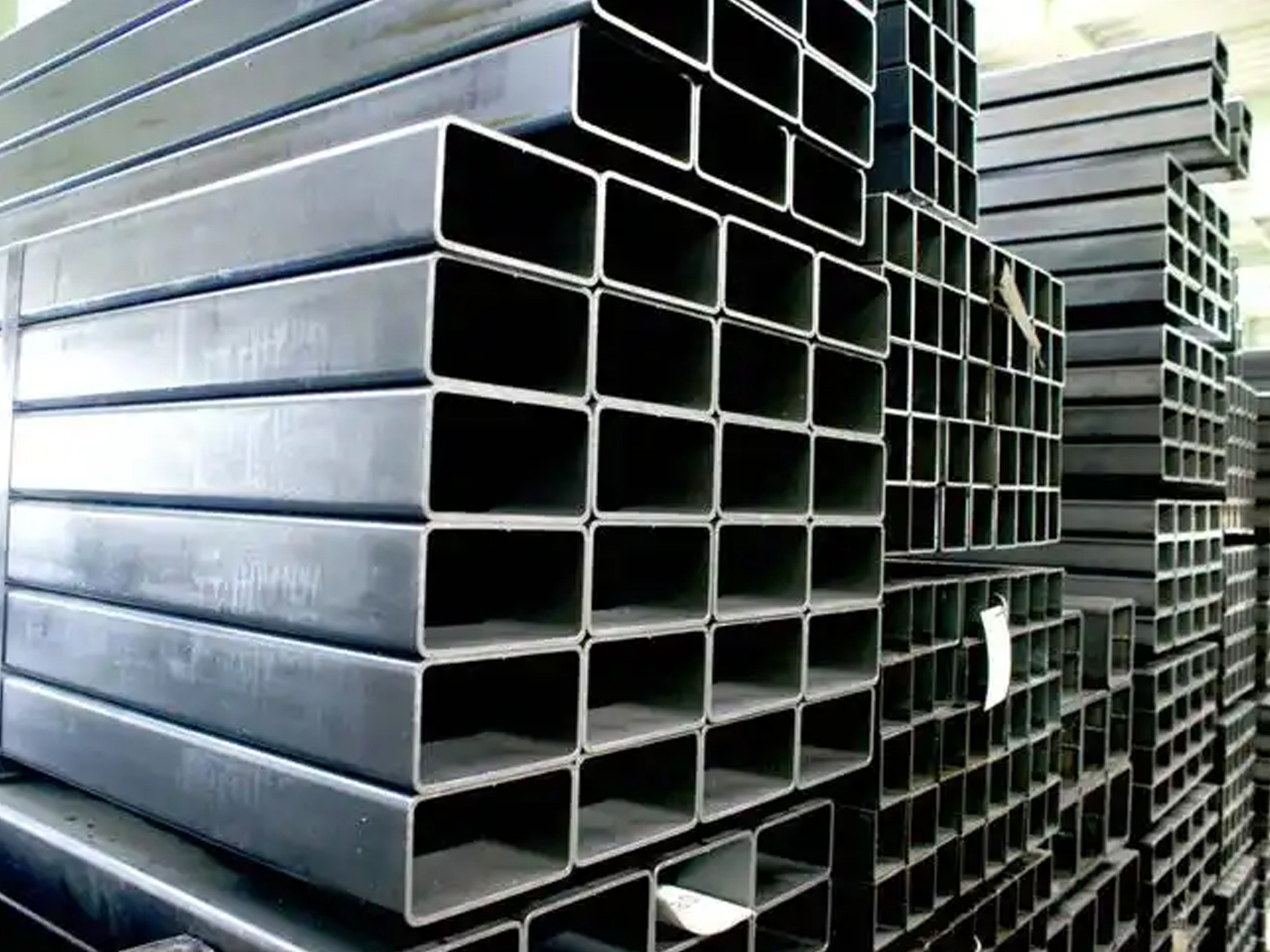

Give you a detailed introduction to the bottom pipe finishing rolling pipe need not heat, the purpose is what, in the square pipe processing process, each stage is indispensable, this process is all the work experience summarized by the ancestors, people must master, below the people will discuss the actual problems at this stage.
The purpose of heating in the heat treatment furnace is:1) Improve the plastic deformation of steel and reduce the deformation resistance. In general, the plastic deformation of steel is weak at ultra-low temperature, and its deformation resistance is great, while the plastic deformation of steel is good at high temperature, and the deformation resistance is small. The mechanism of carbon square tube blank at normal temperature is metallographic structure + cementite. When the finishing rolled pipe is heated, it will change with the increase of temperature. When the steel temperature exceeds the zero boundary point, the internal mechanism of the finishing rolled pipe will change from two-phase mechanism at normal temperature to single-phase electric mechanism ferrite. At this time, the plastic deformation of steel is good, and its deformation resistance is greatly reduced, which is easy to carry out working pressure production and processing.
2) Improve the mechanism characteristics of steel and make its mechanism symmetrical. During the process of ferritization at high temperature, in addition to the change of the metallographic structure of the body-centered cubic meter lattice laser into the ferrite of the body-centered lattice laser, the destruction of the cementite lattice laser is also accompanied by the melting into the ferrite, and the external diffusion of carbon atoms in the ferrite, so that the composition and mechanism of the ferrite are further symmetrical. Within a certain temperature range, the ferrite can be symmetrical and grow, so that the size of the ferrite grain tends to be symmetrical and consistent. In that way, it is not only beneficial to the symmetrical deformation of heat treatment, but also improves the internal organization structure of steel to a certain level. In addition, the prerequisite for the controlled cold rolling of some alloy structural steels is created.
3) It is conducive to cleaning up harmful substances and impurities in steel. When the finishing rolled pipe is heated, the atmosphere in the furnace can be properly controlled, so that the harmful substances in the steel can be cleaned by the diffusion effect of high temperature. Some mixed or strip mechanisms are melted or diffused according to high temperature diffusion, which is convenient for symmetrical dissolution after rolling.
Because of the characteristics of the ground stress conditions of the cross rolled holes, there is a rupture temperature range for a certain alloy structural steel to ensure the quality of the capillary. Therefore, the heating temperature of the finishing rolled tube of alloy structural steel is determined by the hole breaking temperature.


Solid bending
Real bending, as the name suggests, is compacted bending, and the inner and outer rollers and the inner and outer walls of the tube billet are compacted bidirectional during real bending.
1) The advantages of solid bending are small rebound, accurate molding, and as long as the roll shape is accurate, the R of the internal Angle molding is more accurate.
2) The disadvantage of solid bending is that it has a stretching/thinning effect. First, the real bending will cause the bending point to produce tension, tensile effect will shorten the length of the bending line; Second, the metal at the real bend is thinned by stretching.
2. Empty bend
Empty bending is the bending moment formed by the unidirectional contact between the outer roller and the outer wall of the tube blank to bend the strip material. Empty bending will compress the bending line, and the compression effect will cause the bending line to extend longitudinally, and the metal at the bending place will accumulate and become thicker, which is the compression/thickening effect of empty bending.
1) The advantage of empty bending is that side length bending can be performed when solid bending is not possible, such as synchronous bending and finishing of the top/side of the square tube. Air bending can also bend the inner Angle of R<0.2t without breaking the tube wall.
2) The disadvantage of air bending is that when the square rectangular tube is synchronized in the upper/side air bending, the forming force is easy to exceed the critical point due to the pressure generated by the upper roll and the lower roll at the same time, resulting in the instability of the side and the concave, and will also affect the stable operation of the unit and the forming quality. This is also the different characteristics of square tube and round tube air bending.
In practical application, these two basic methods should be configured to a reasonable process position according to the product needs in square tube molding. Attention should be paid to the impact of the stretching/thinning effect of solid bending and the compression/thickening effect of air bending on product quality, otherwise it will cause the side of the square tube to be concave when forming, and the finished tube will be warped longitudewise, and it is difficult to straighten.
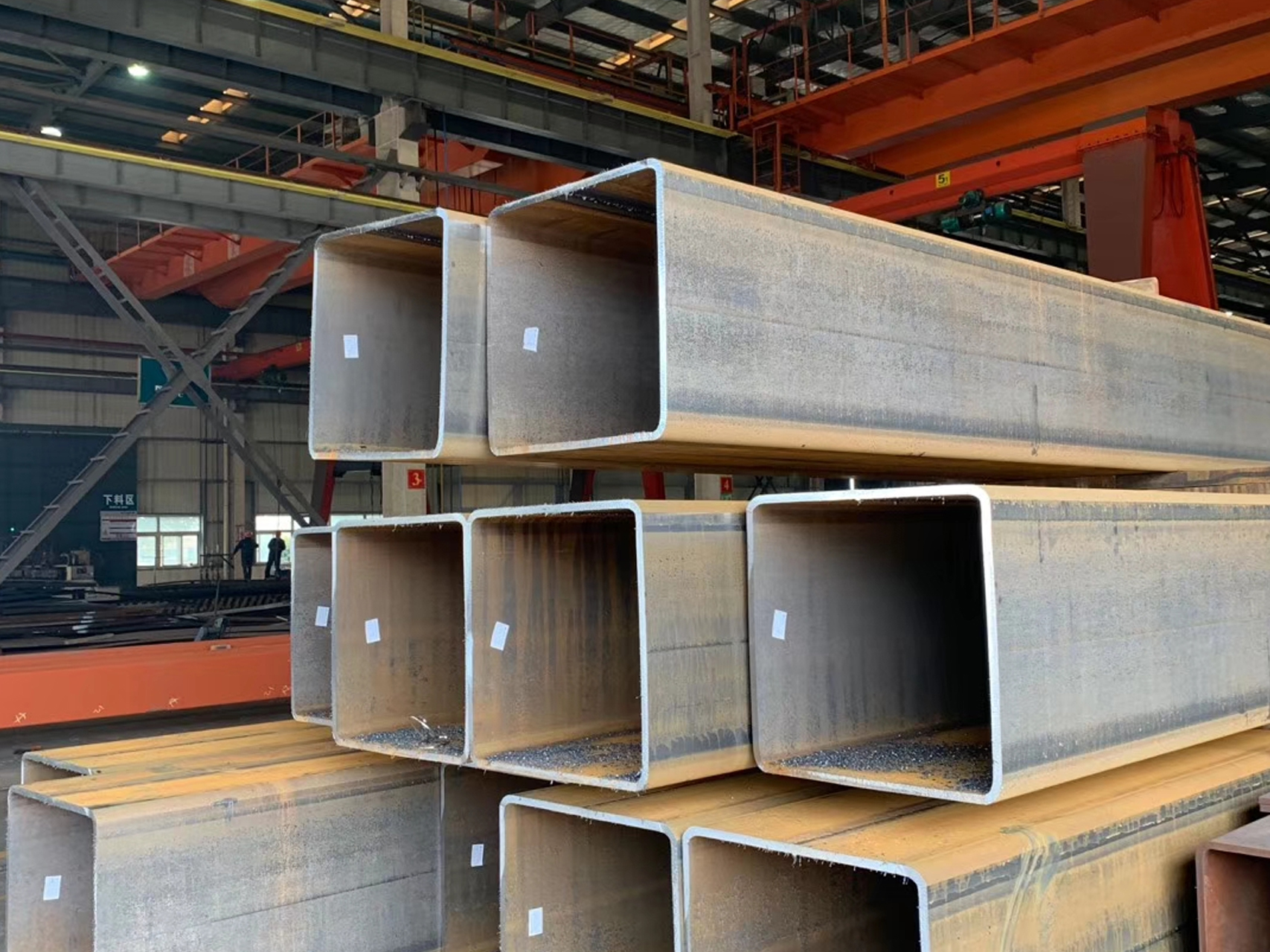

Safe installation is the key to ensure the performance of rectangular pipe. To ensure the structural safety of rectangular tubes, it is first necessary to select the appropriate material and type of rectangular tubes. When selecting materials, materials with sufficient strength and corrosion resistance should be selected according to actual needs and the use environment. At the same time, it is also necessary to consider the size and thickness of the rectangular tube to ensure that it can withstand the expected load.
Secondly, when designing the rectangular tube structure, it is necessary to consider its bearing capacity and stability. The design should take into account the force of the rectangular tube, reasonable load distribution, avoid local overload. At the same time, it is also necessary to consider the support and fixing method of the square tube to ensure that it will not be deformed or damaged during use.
In addition, during the construction process, it is necessary to carry out construction in strict accordance with the design requirements to ensure that the installation position, connection and fixing method of the rectangular pipe meet the design requirements. At the same time, it is also necessary to supervise and inspect the construction process to ensure that the construction quality meets the requirements.
Finally, in the process of use, it is necessary to check and maintain the tube regularly to discover and deal with potential problems in a timely manner. At the same time, it is also necessary to pay attention to the use of the rectangular pipe environment to avoid its impact by high temperature, low temperature, corrosive substances, etc., to ensure its structural safety and service life.

